Designing a product from zero, then changing how we
built it.
I joined as the only designer, before the company had a full-time engineering team. I shaped the product with the founder from early strategy to 1.0, the first milestone for users to test. As the team grew, I moved my handoff from static Figma files to Claude Design prototypes, and started updating the design system directly in code.
An idea, a lot of conversations, and no product yet.
The founder had an idea and conversations with the people he wanted to build for.
The idea: software that shadows how a company's work really gets done, then shows leadership where to improve it.
As he hired the team, I explored what the product could be through design concepts. We went a lot of directions before one stuck.
I owned design from the first concept to our
1.0 milestone.
Four calls that shaped the product.
Who is this for?
The person doing the work, or the people running the team? I mocked up both, a personal assistant and a company-wide tool. Users told the founder the value was at the team level, so we built that first and saved individual control for later.
Show it before we build it
I mapped the story, then worked with the founder and a creative video agency to turn it into two rounds of concept demos, made before the product existed. Prospects' reactions confirmed the team direction and shaped the build.
One run sets the standard
The team landed on a benchmark together: the most efficient run becomes the standard. I designed how every other run is measured against it.
Recommendations before automation
The long-term vision was automated tasks, but that was far off, so we started with recommendations. At first the data pipeline wasn't ready, so we worked with sample data, and our front end used Gemini to show it working in production. Once the ML team had the pipeline stable, the LLM powered the insights and the chat.
Static frames stopped being the deliverable.
The team moved to VS Code and Claude Code, so I moved my design work from Figma into Claude Design to match. My handoff became a prototype with real interactions, and our engineer could push it straight to code. That meant less design QA.
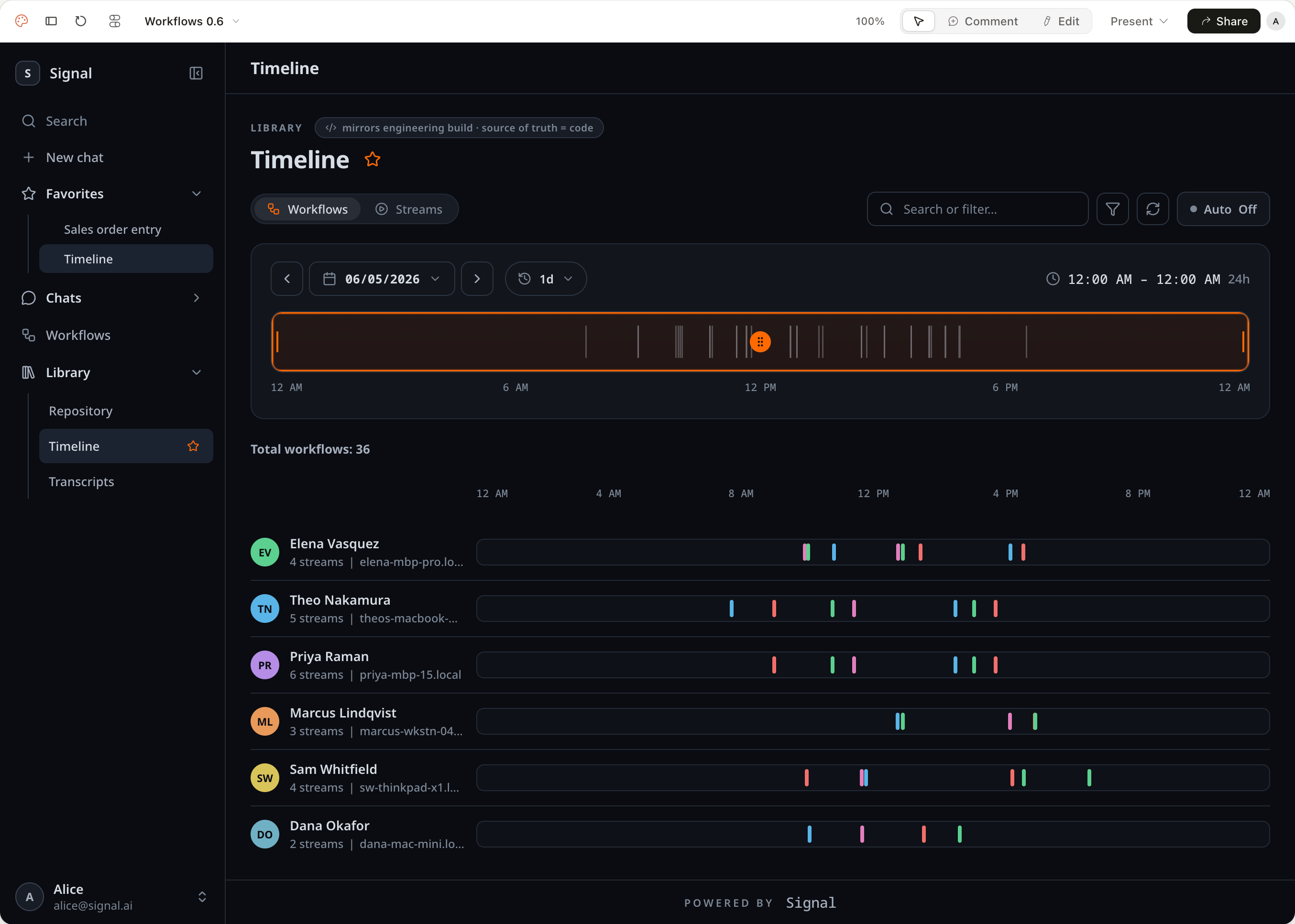
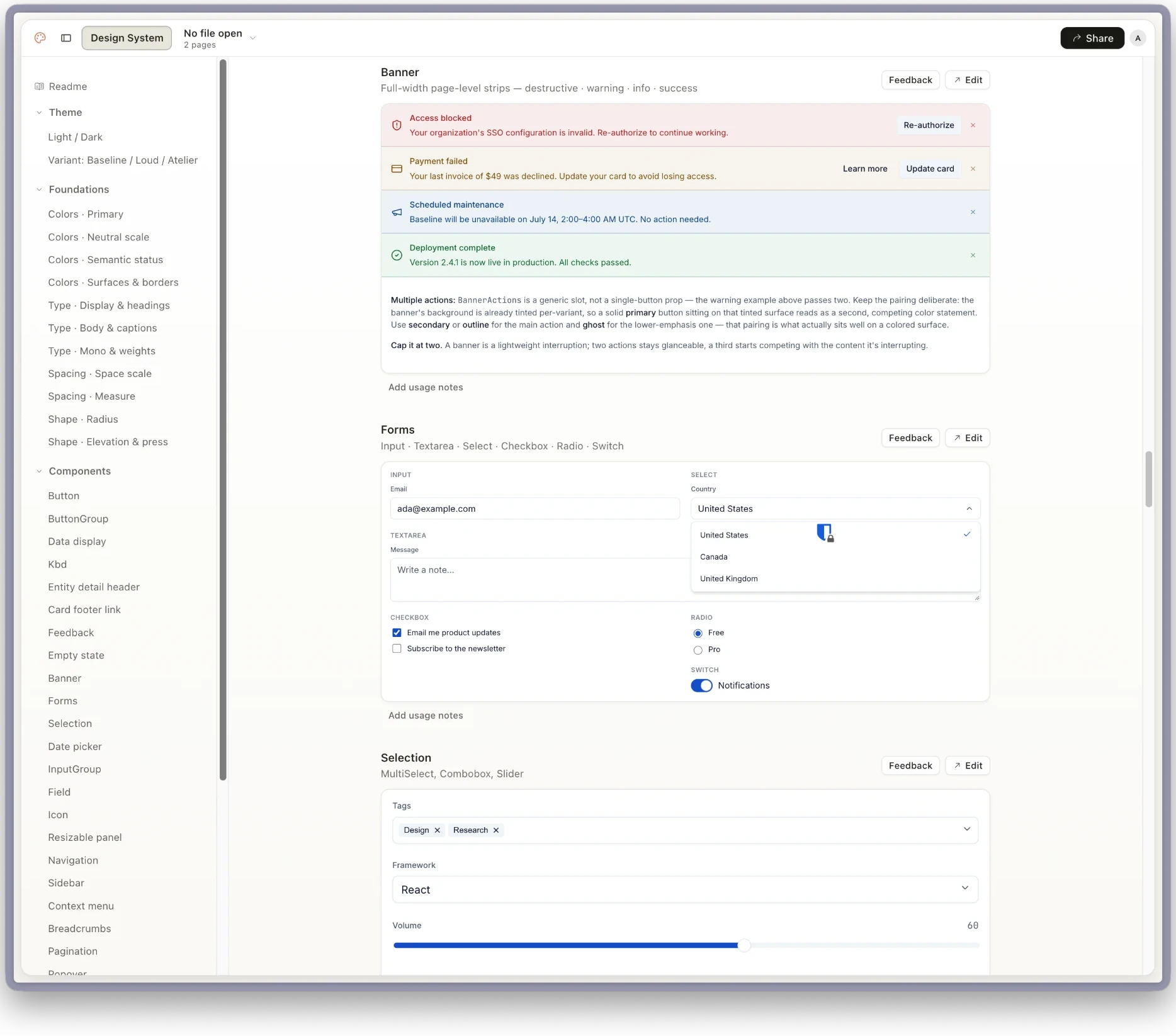
I started shipping design system code myself.
Our engineer built the design system in code from my Figma. Moving fast left some hard-coded values and foundation tokens that needed cleanup. So I went into Claude Code to audit and refactor them, then kept the components current as the designs changed. Engineering stayed on feature work.
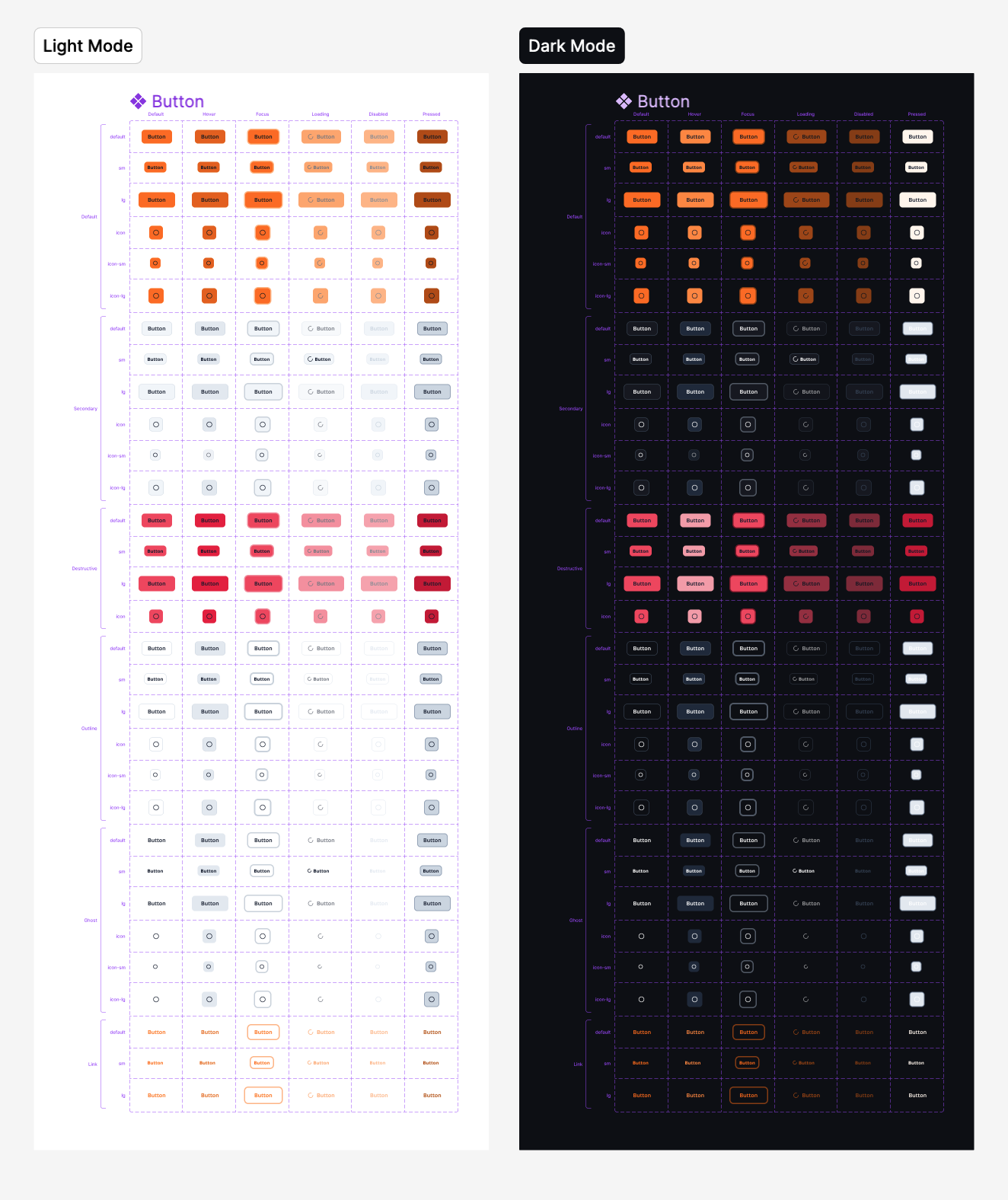
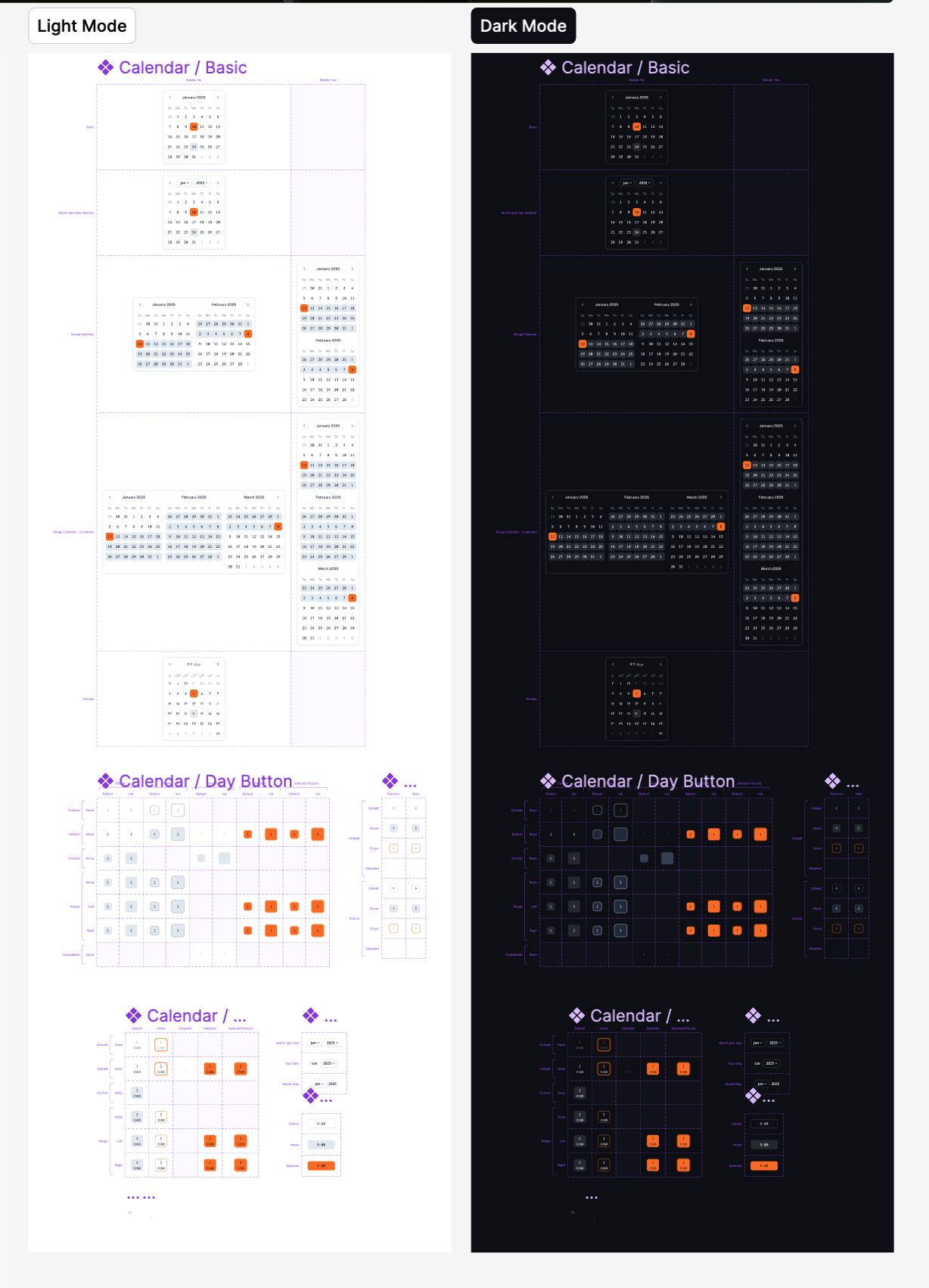
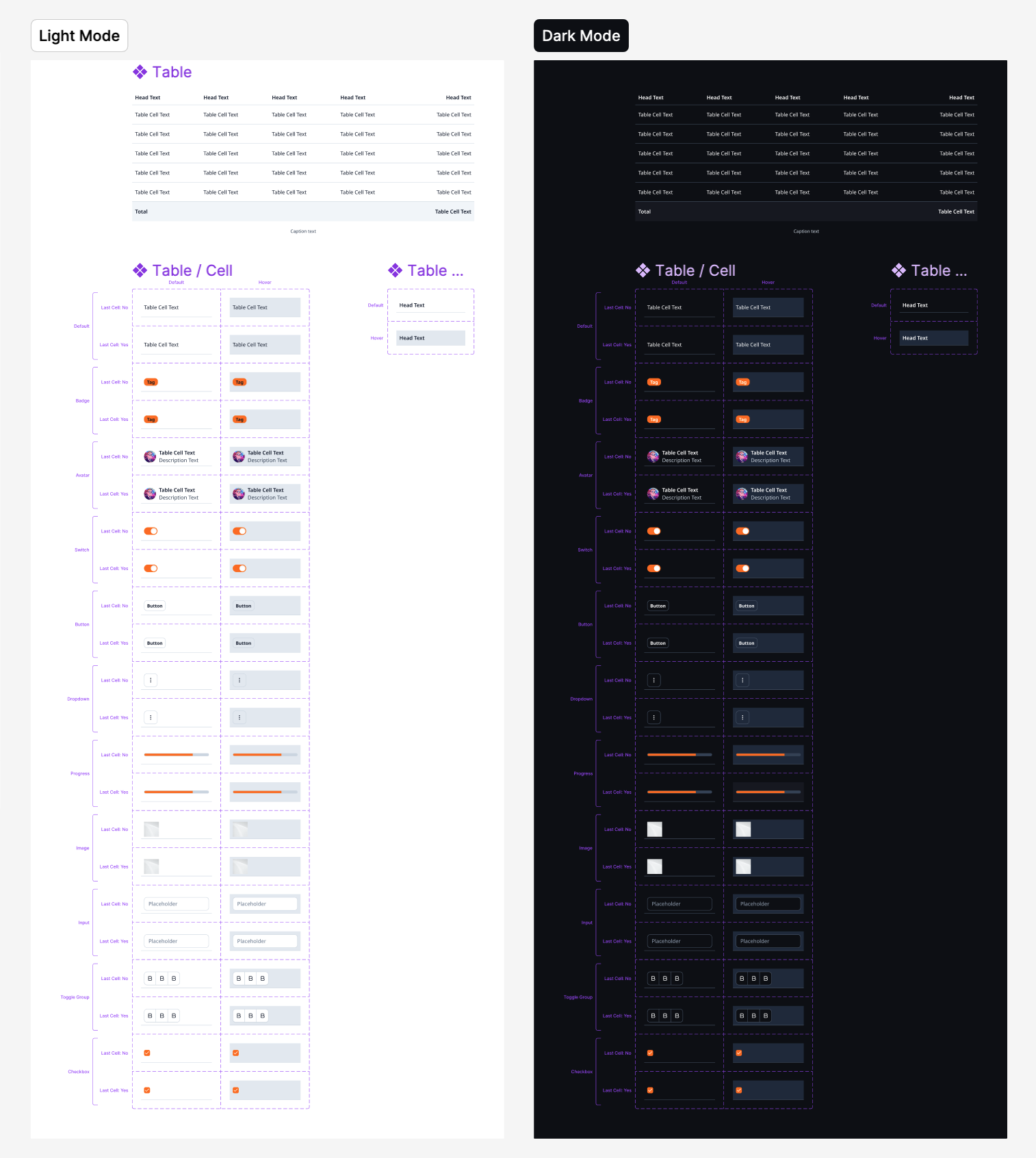
I handed off a 1.0 engineering could ship from.
My last deliverable was the design for 1.0, the first milestone for users to test. It carried the newest work, the dashboards and data views, and mirrored what engineering had already built from Figma. The team took it from there.
1.0 went to the team ready to build from and ready for users to test.
Rebuilding the product as a working prototype changed our conversations.
We spent less time explaining the design and more time deciding on it.