Turning a limited feature into the tool that unlocked a new segment.
Silo's repack workflow only supported 1:1 conversions, so almost nobody used it. Large produce shippers needed far more complexity than that. I led the research and end-to-end design to get there, building the capability that finally gave sales a way in.
$4.1B
Shippers were a major opportunity for Silo, but sales kept hitting a wall. The software lacked the complexity their operations demanded. So we went to meet them.
Large distributors near the growers. They repack produce at a scale Silo couldn't yet handle.
Led design from the first field visit to the shipped product.
I drove the research and design to initial release, then stayed close to the work as we built out the advanced capabilities that made the feature worth switching for.
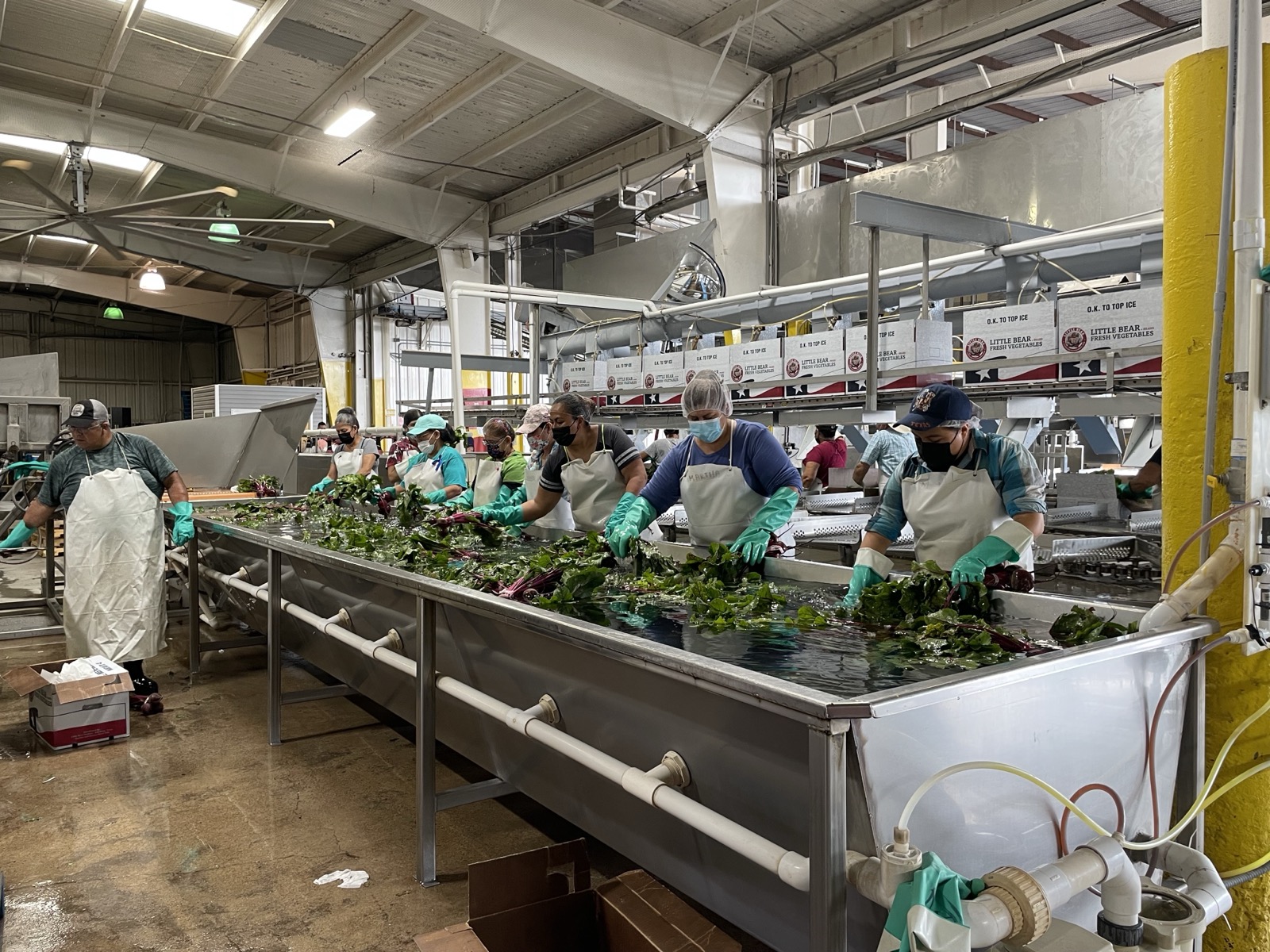
Let's understand shippers.
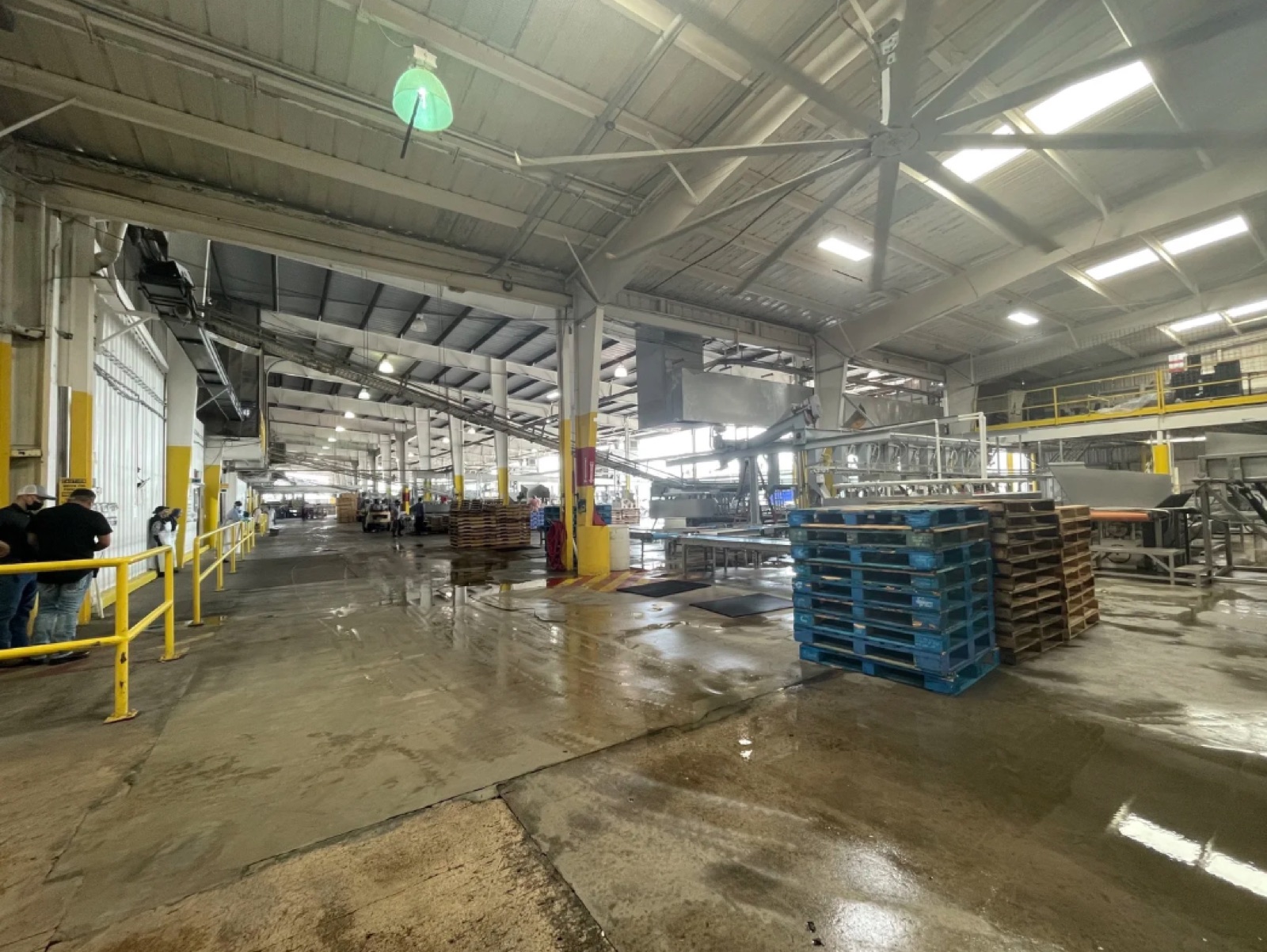
We visited shipper prospects in Arizona and Texas, operations running at a far larger scale than Silo's core users. They opened their warehouse doors, walked us through their workflows, and showed us exactly where our software fell short. We followed up in McAllen and Miami to pressure test what we'd learned.
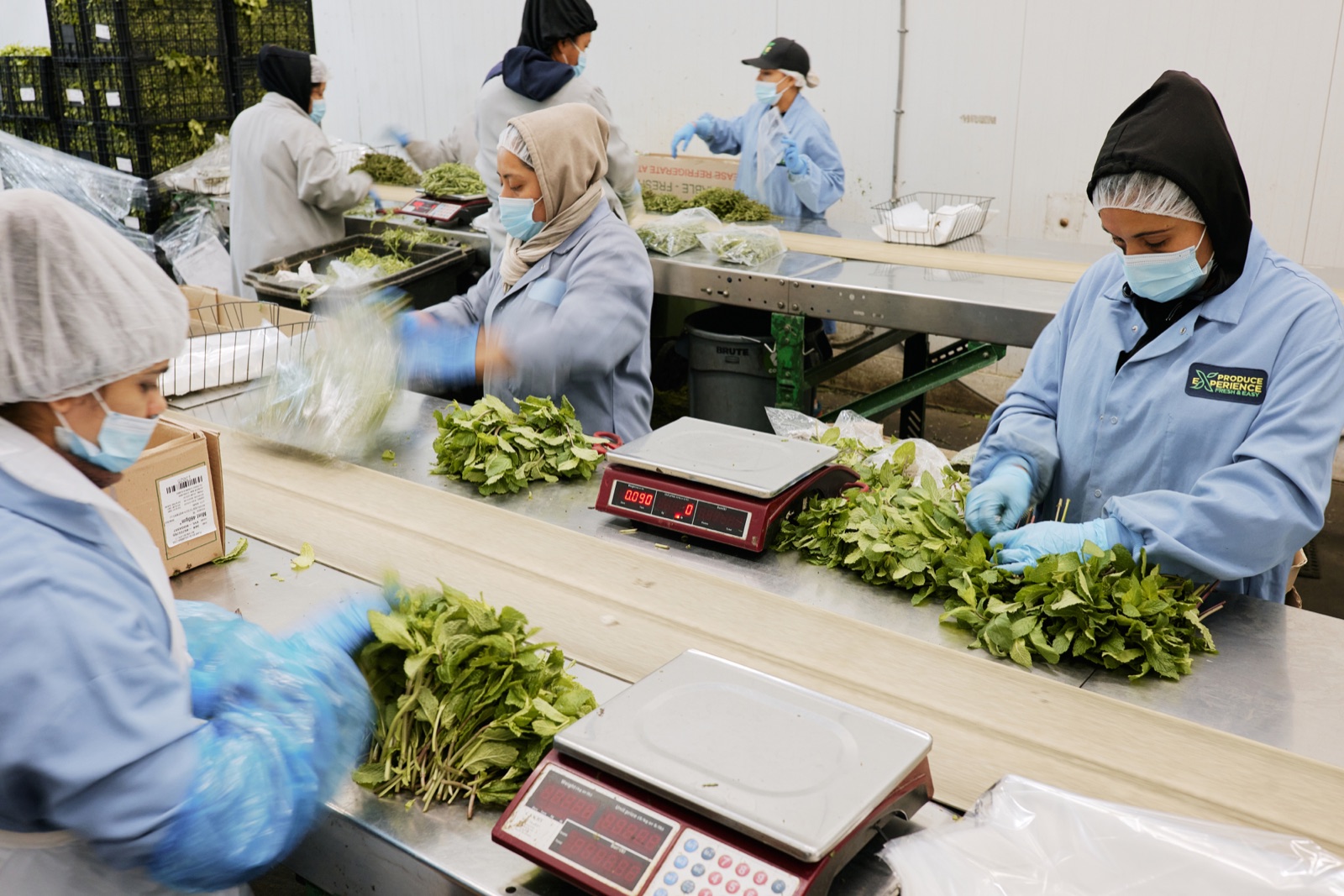
What are repacks?
In the produce supply chain, a repack is when bulk produce is converted into retail-friendly packaging. For example: leaf vegetables arrive from the farm in boxes and get repackaged into the plastic clamshells you buy in the grocery store. Every repack generates a lot number, a unique identifier that tracks exactly what went in, what came out, and when.
Repacking happens at grower facilities and at larger distribution businesses alike.
So what was Silo's limitation?
The existing tool looked fine in a demo. In practice, it fell apart.
No way to pack kale and spinach into a single mixed salad-greens container.
Missing output lot numbers, weights, pack dates, and use-by dates teams relied on.
Very low adoption, a clear signal the feature wasn't meeting real needs.
An overwhelming scope, broken into bite-sized milestones.
Delivering a comprehensive repacks experience meant tackling a lot of moving pieces. The goal was to ship value at every step, keeping existing users engaged while building toward something shippers would actually switch for.
Final designs. Advanced repacks.
Even starting from a 1:1 experience, I explored complex many-to-many scenarios to see how the design could scale and to get user feedback before building.
The feature went from ignored to a reason teams switched.
The scope was overwhelming. Tackling it in milestones let the team stay honest about what mattered and ready to pivot.
The work pushed engineering to rethink how profit is calculated against output lots and how to handle partially priced outputs.
Advanced repacks got teams excited enough to push for the next thing: automated expenses tied to repack items. The feature didn't just land, it created demand.
The real unlock wasn't a single screen. It was sequencing an enormous scope so every release shipped value on its own. Going to the warehouse floor turned a vague ask into something everyone could get behind.